
If you love cooking at home, you probably know how much flavor fresh mushrooms can add to a dish. Whether you’re throwing some creminis into a quick weekday stir-fry or grilling huge portobellos over the weekend, they always make a meal feel a bit more special. But let’s be honest mushrooms are incredibly frustrating to keep fresh. It feels like one day they’re perfectly firm and ready to use, and the very next day you open the fridge only to find a gross, brown, slimy mess.
If you’re tired of wasting your money and throwing away bad produce, you just need to know a little bit about how mushrooms actually work after they’re picked. In this guide, we’re going to break down exactly how long different types of mushrooms last, the real reasons why they go bad so fast, and some simple, tried-and-true kitchen tricks that will literally double their shelf life.
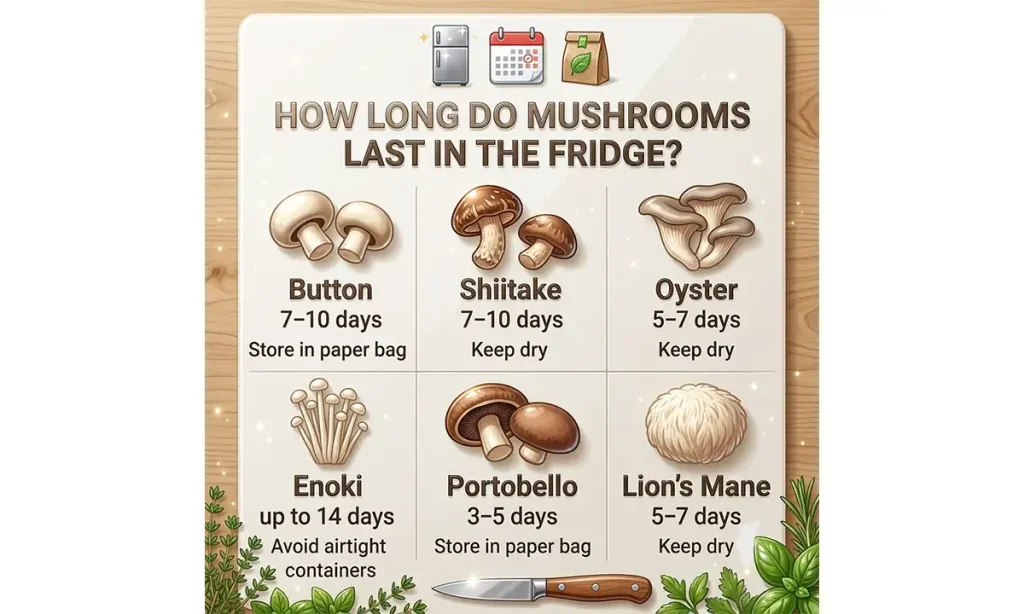
How Long Do Fresh Mushrooms Last in the Fridge?
The short answer is that fresh whole mushrooms generally last between 4 to 7 days in the refrigerator, while sliced mushrooms last roughly 3 to 5 days. However, “mushrooms” isn’t a single category; different varieties possess distinct moisture levels and cellular structures, meaning their countdown timers vary.
Whole Fresh Mushrooms (Common Varieties)
| Mushroom Type | Refrigerator Lifespan | Characteristics & Best Use Window |
| White Button | 4–7 Days | High moisture; best used within the first 4 days for raw salads. |
| Cremini (Baby Bella) | 4–7 Days | Slightly denser than white buttons; great for roasting up to day 5. |
| Portobello | 4–7 Days | Large surface area makes them prone to drying out; check gills before cooking. |
| Shiitake | 4–7 Days | Tougher stems give them a slight edge in structural integrity. |
| Oyster | 5–7 Days | Delicate, velvety texture; highly sensitive to bruising. |
| Chanterelle | 4–5 Days | Wild variety; demands dry, cold storage to prevent immediate decay. |
| King Trumpet (King Oyster) | 7–14 Days | Exceptionally low moisture and dense flesh; the marathon runner of mushrooms. |
Sliced Mushrooms
Look, buying pre-sliced mushrooms is great for saving time, but honestly, they just don’t last. The second they’re cut open, the air gets to them, making them turn that ugly brown color and dry out way faster than whole ones. Plus, those packs at the grocery store aren’t fresh anyway. They’ve already been sitting around in trucks and on shelves for a few days before you even pick them up. By the time you get them home, you only have about 3 to 5 days tops before they go bad. Seriously, always check the date on the package before you buy them.
Dried Mushrooms
Dehydrated mushrooms are an excellent pantry staple, boasting a shelf life of 1 to 3 years when stored in a cool, dark place inside an airtight container. However, the moment you rehydrate them in warm water, their biological clock resets. Rehydrated mushrooms must be treated exactly like fresh slices store them in the fridge and cook them within 1 to 2 days.
Why Mushrooms Go Bad Quickly: The Moisture Problem
To master mushroom storage, you must first understand that mushrooms are not typical vegetables; they are the fruiting bodies of fungi. They are roughly 90% water by weight. Even after they are picked, they remain biologically alive, continuing a process called cellular respiration essentially breathing in oxygen and releasing moisture vapor.
This creates a delicate balancing act in your fridge:
Problem 1: Excess Moisture Causes Sliminess
Don’t ever leave mushrooms in a sealed plastic bag or a container with a tight lid. They actually sweat after you pick them. When you lock them up in plastic, that moisture gets trapped inside, builds up on the walls, and drips right back onto them. This wetness is exactly what makes them rot. In less than 48 hours, bacteria will grow all over the place and turn your fresh, firm mushrooms into a gross, slimy mess.
Problem 2: Moisture Loss Causes Shriveling
But leaving mushrooms in the fridge completely uncovered is also a mistake. The cold, dry air will quickly dry them out. In just a day or two, they will get all wrinkled, hard, and shriveled up. They are still technically safe to cook with unlike the slimy ones but they completely lose their nice texture and taste.
The Solution: Controlled Moisture Exchange
The holy grail of mushroom preservation is an environment that provides breathability without dehydration. You need a medium that absorbs excess ambient moisture so bacteria cannot pool, while simultaneously shielding the mushrooms from the harsh, drying drafts of the refrigerator fan.
The Best Way to Store Fresh Mushrooms
Based on culinary science and professional kitchen habits, here are the most effective ways to store your mushrooms depending on what you have on hand.
Method 1: The Paper Bag (Recommended)
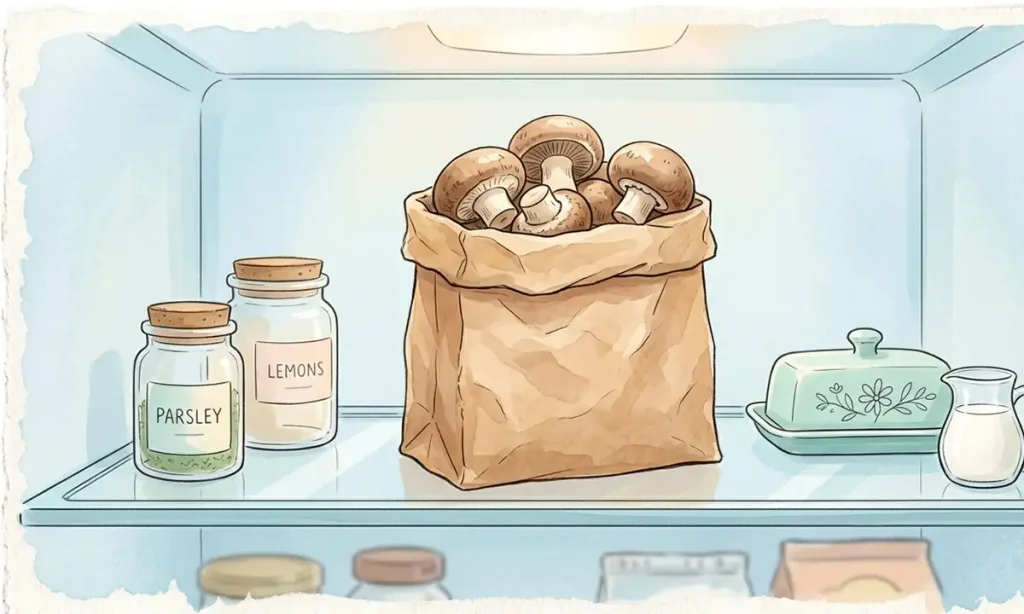
The single best upgrade you can make is transferring your mushrooms into a plain brown paper bag.
- How it works: Paper is naturally porous. It traps enough humidity inside to keep the mushrooms from turning into wood, but it absorbs any excess respiratory condensation before it can cause sliminess.
- Execution: Fold the top of the paper bag loosely do not staple or roll it down tightly. Store it in the main cavity of your fridge, preferably on a middle shelf where temperatures are most stable.
- Crucial Rule: Never wash your mushrooms before putting them in the bag. Mushrooms act like literal sponges; washing them injects excessive water into their porous structure, ensuring they will rot within days.
Method 2: Original Packaging (Acceptable)
If you buy mushrooms in those plastic packs from the store, look closely at the plastic wrap on top. You’ll see tiny little holes in it. Companies make them that way so the mushrooms can breathe. If you’re going to cook all of them within 3 days, it’s totally fine to just leave the package closed in the fridge. But once you cut that plastic open to use a few, the protection is gone. After that, you need to move the rest of the mushrooms into a paper bag.
Method 3: Damp Paper Towel in Ventilated Container (Good for Cut Surfaces)
If your store mushrooms come in those little plastic tubs with wrap on top, take a second to look at the plastic. See those tiny little holes? Store brands do that on purpose so air can actually get inside. If you’re using the whole pack in 2 or 3 days, honestly, just leave it alone in the fridge. It’ll be fine. But the minute you rip that plastic open to grab a few, that whole setup is ruined. From that point on, you’ve got to move the rest of them over to a paper bag.
What to Avoid
- The Crisper Drawer: It sounds counterintuitive, but avoid the vegetable crisper drawer. These drawers are specifically engineered to trap high humidity to keep greens crisp. For mushrooms, this high humidity is a one-way ticket to bacterial decay.
- Aromatic Neighbors: New Insider Tip: Mushrooms easily absorb volatile organic compounds (smells) around them. Keep them far away from cut onions, leeks, garlic, or pungent cheeses in the fridge, or your morning mushroom omelet might taste a bit too much like yesterday’s red onions.
- The Ethylene Zone: Avoid storing mushrooms directly next to high-ethylene emitting fruits like ripening apples, bananas, or tomatoes, as this gas can subtly accelerate structural softening in certain fungal varieties.
How Long Do Cooked Mushrooms Last?
If you cooked a massive batch of mushrooms, they will keep safely in the refrigerator for 3 to 5 days, provided they are placed in a clean, airtight container within two hours of cooking.
Cooking is actually a great way to save mushrooms that are about to hit their expiration date. Applying heat drives out their massive internal water reserves and denatures the enzymes responsible for decay. If your mushrooms are incorporated into complex dishes like a creamy pasta sauce, a rich risotto, or a beef stew, always follow the shelf-life guideline of the most perishable ingredient in that dish (typically dairy or meat, which generally max out at 3 to 4 days).
Can You Freeze Mushrooms?
Yes, but you absolutely cannot freeze them raw. Because raw mushrooms are 90% water, freezing causes that internal water to expand into large, sharp ice crystals. These crystals pierce and completely rupture the delicate fungal cell walls. When you thaw a raw frozen mushroom, it collapses into a mushy, black, waterlogged sponge that is completely unusable.
To freeze mushrooms successfully for up to 10 to 12 months, you must cook them first to lock in their structural integrity. Here are the two proven methods:
Blanching Method for Freezing
- Clean your mushrooms thoroughly and cut them into uniform slices or quarters.
- Bring a pot of water to a rolling boil. Add a teaspoon of lemon juice (this prevents them from turning black).
- Drop the mushrooms in. Blanch slices for 50 to 60 seconds; whole mushrooms for 2 minutes.
- Immediately plunge them into a bowl of ice water to stop the cooking process dead in its tracks.
- Drain them completely. Pat them dry with towels moisture is the enemy here.
- Lay them flat in a single layer on a baking sheet and freeze for 2 hours (flash freezing prevents them from sticking together).
- Transfer the frozen pieces into a heavy-duty freezer bag, squeeze out all the air, label with the date, and freeze.
Sautéed Method for Freezing
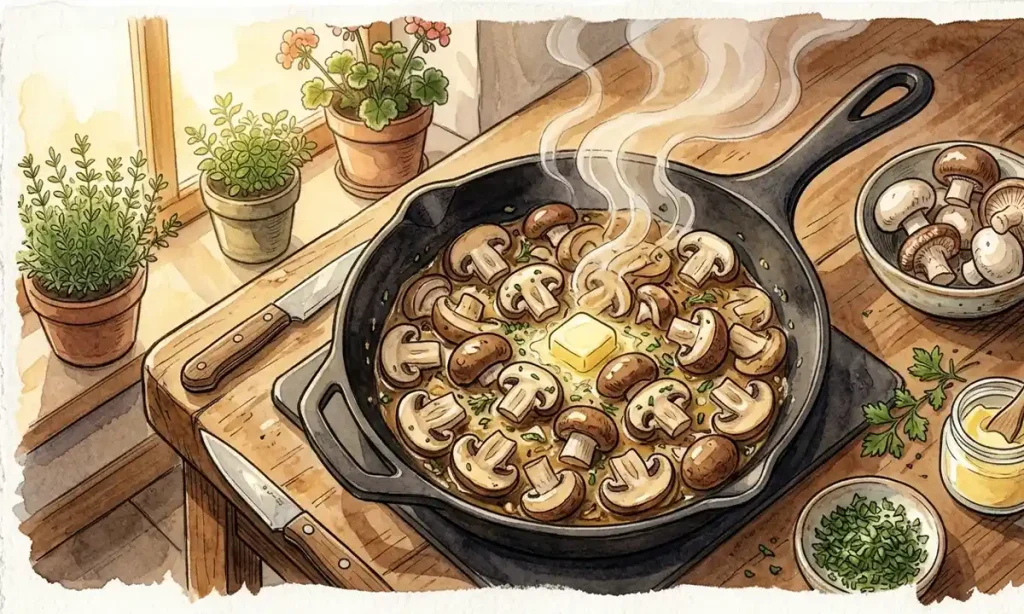
This is the preferred method among chefs because it preserves the deep, complex flavors of the mushroom far better than blanching.
- Clean and slice your mushrooms.
- Heat a skillet over medium-high heat with a small amount of high-smoke-point oil or butter.
- Sauté the mushrooms until they release their liquid, the liquid completely evaporates, and the edges just begin to turn golden-brown (about 5 to 7 minutes).
- Let them cool completely down to room temperature.
- Portion them into freezer-safe zip-bags or containers, press out the air, and freeze. You can throw these directly into hot soups, sauces, or stir-fries straight from the freezer without thawing!
Signs Your Mushrooms Have Gone Bad
Before you cook, use your senses to evaluate your mushrooms. Eating spoiled mushrooms can lead to severe foodborne illnesses. Use this diagnostic table to judge their condition:
| Sign / Symptom | Biological Meaning | Verdict / Action |
| Slimy or Wet Film | Heavy bacterial colonization feeding on surface moisture. | Discard Immediately. Cooking will not fix this. |
| Dark Brown/Black Spots | Advanced localized tissue decay and deep oxidation. | Discard. The rot has penetrated the flesh. |
| Sour, Fishy, or Ammonia Smell | Metabolic byproducts from bacterial decomposition. | Discard. Fresh mushrooms should smell earthy or neutral. |
| Shriveled, Leathery, and Dry | Pure moisture loss/dehydration; no bacterial growth. | Safe to Use. Best for soups or stocks where they rehydrate. |
| Minor Wrinkling / Soft Texture | Natural aging process; structural decline. | Use Quickly. Trim any soft spots; must cook thoroughly. |
| Fuzzy White, Blue, or Green Mold | Fungal mold spores taking root on the mushroom body. | Discard Entire Batch. Spore roots run deep through porous flesh. |
The Golden Rule: When in doubt, trust your fingers and your nose. If a mushroom feels slippery or slimy, or if it emits a sharp, tangy, or sour odor, do not risk it.
Quick Reference Summary
| Mushroom State / Type | Storage Location | Maximum Safe Duration |
| Fresh Whole Mushrooms | Fridge (Paper Bag) | 4–7 Days |
| Fresh Sliced Mushrooms | Fridge (Ventilated Container) | 3–5 Days |
| Cooked Mushrooms | Fridge (Airtight Container) | 3–5 Days |
| Fresh Mushrooms (Raw) | Room Temperature | 1–2 Hours Max |
| Blanched / Sautéed Mushrooms | Freezer (Sealed Bag) | 10–12 Months |
| Dehydrated Dried Mushrooms | Pantry (Airtight Jar) | 1–3 Years |
Frequently Asked Questions
Should I wash mushrooms before storing them?
Absolutely not. As established, mushrooms act like sponges. If you submerge or rinse them under water before storage, they absorb that moisture into their internal pores. This locked-in water accelerates breakdown and creates an overnight breeding ground for bacteria. Only wash your mushrooms immediately before they go into the hot pan. To clean them before storage, simply use a dry pastry brush or a paper towel to gently wipe away any visible dirt.
Can I eat mushrooms that have turned slightly brown?
Yes, minor browning is perfectly normal. Just like a cut apple or avocado, mushroom flesh browns when exposed to oxygen via an enzyme called polyphenol oxidase. If the mushroom is still completely firm, dry to the touch, and smells pleasantly earthy, this cosmetic browning is harmless and will disappear visually once cooked. However, if the browning is accompanied by a wet sheen or a soft texture, it has transitioned from oxidation to rot.
Why do mushrooms from the farmers’ market last longer than grocery store mushrooms?
It all comes down to the supply chain timeline. Mushrooms at a local farmers’ market were likely harvested within the past 12 to 24 hours. Conversely, commercial supermarket mushrooms undergo a lengthy process: they are harvested, packed, sent to a centralized cold distribution facility, loaded onto trucks, and then sit on grocery shelves. By the time you buy them at a supermarket, they may already be 3 to 5 days old, leaving you with a significantly narrower storage window at home.
Are slimy mushrooms safe to eat after cooking at high heat?
No. This is a common and dangerous misconception. While blasting slimy mushrooms with high heat in a smoking hot pan will kill the living bacteria on the surface, it does not eliminate the danger. As bacteria multiply on the decaying mushroom, they produce waste products called heat-stable enterotoxins. These toxins are completely immune to cooking temperatures. Consuming them can result in food poisoning, cramps, and nausea, regardless of how long you cook them.
What to Do With Mushrooms That Have Gone Bad: Compost Them
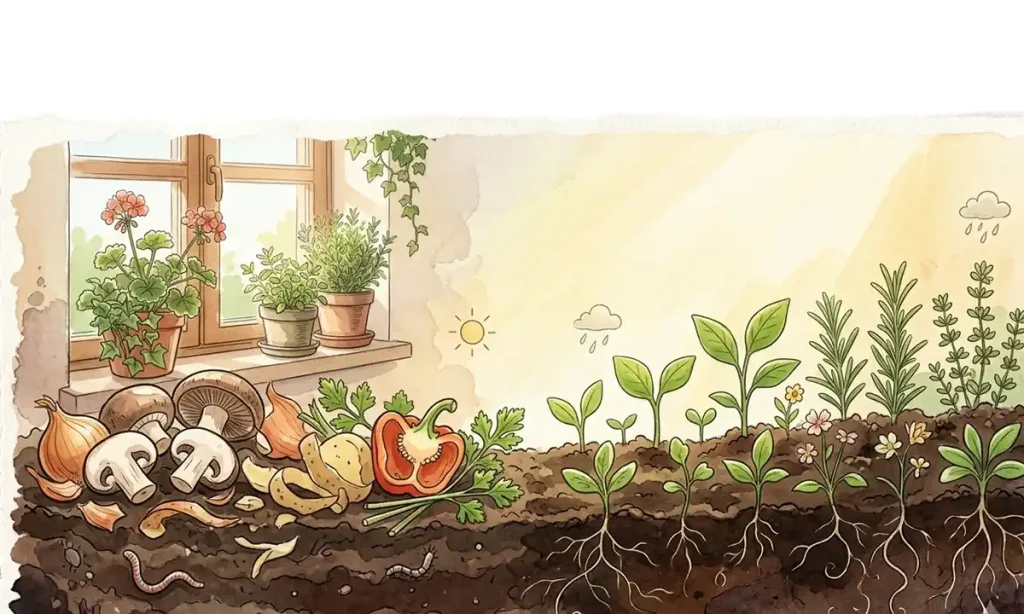
If you forgot about your mushrooms and they turned slimy, don’t just throw them in the trash. When they end up in a landfill, they just rot without air and make things worse for the environment. Instead, put them in a compost pile.
Since mushrooms are fungi, they actually break down super fast compared to tough garden waste or hard vegetable scraps. They add a lot of good stuff to your backyard compost and turn into rich soil in just a few weeks.
If you don’t want a messy pile outside and prefer an easy indoor setup, a small countertop composter like Reencle is perfect. It uses natural microbes to break down food waste all day and night without any bad smell. Whether you’re throwing in a whole bag of ruined slimy mushrooms or just the leftover stems from dinner, it turns them into great dirt for your plants in just hours, keeping waste out of the garbage.
References
- USDA FoodKeeper App. Nutritional and Storage Guidelines for Fresh Mushrooms. FoodSafety.gov.
- University of California Agriculture & Natural Resources. Produce Fact Sheets: Postharvest Handling and Optimal Storage Environments for Cultivated Fungi.
- Royse, D. J., Baars, J., & Tan, Q. (2017). Current Overview of Mushroom Production in the World. Edible and Medicinal Mushrooms: Technology and Applications, 5–13.
- U.S. Food & Drug Administration (FDA). Consumer Refrigerator & Freezer Storage Charts and Foodborne Illness Prevention Guidelines.

Hey, I’m MD BELAL! I’m the founder and appliance lover behind FridgeFAQ.com. Over the last 5 years, I’ve spent countless hours fixing cooling issues, optimizing temperatures, and turning ordinary mini fridges into fun DIY projects. I started this site to break down complicated fridge problems into simple, friendly advice so you can save money and fix your own appliances with confidence!